DeMON
  • Home
  • Meet the Team
  • Research
  • Research Publications
  • Publication pages
    • All publications
  • News
  • Contact

Research Publications

See the full list of publications
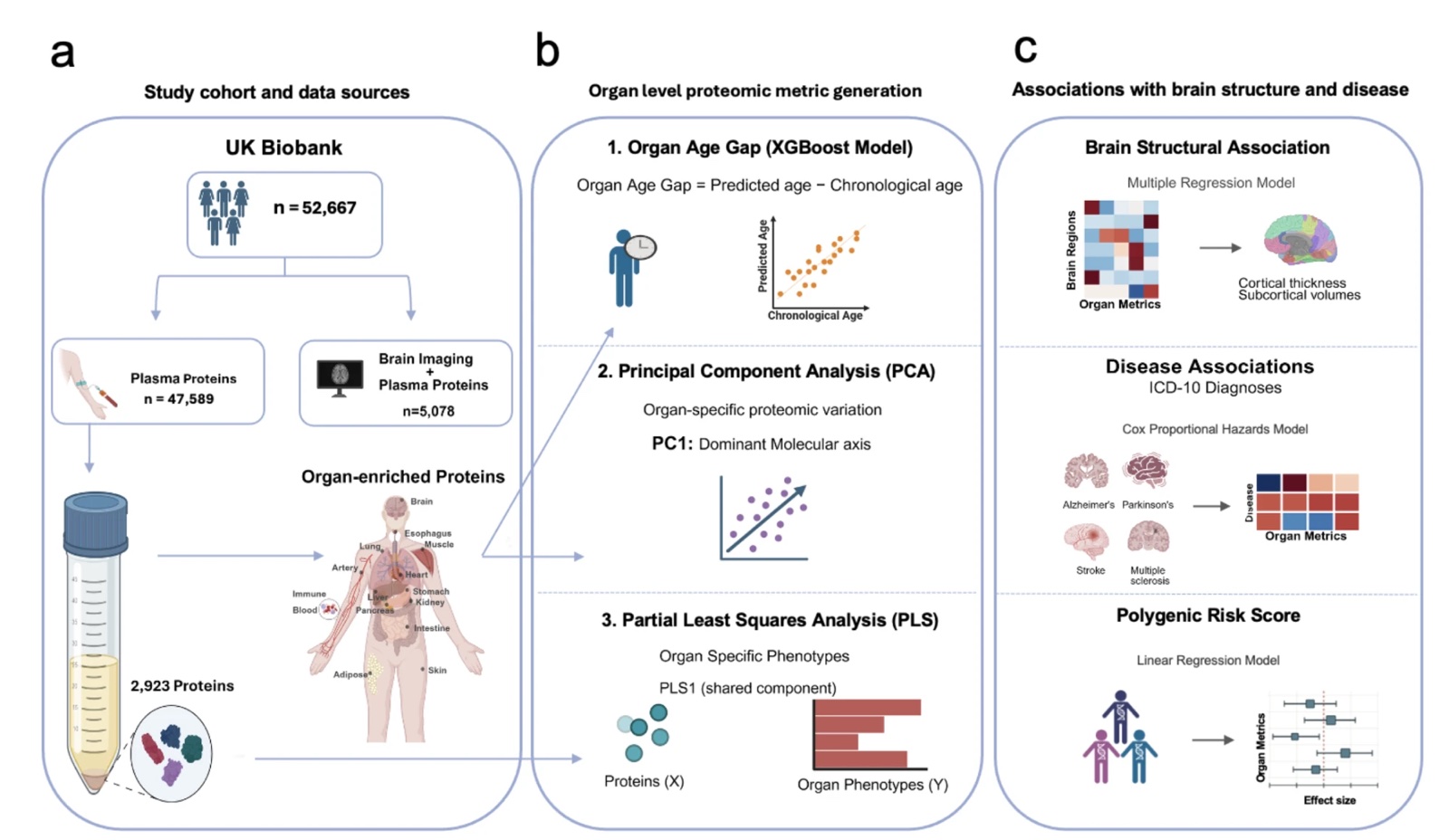
Study overview: UK Biobank cohort and data, three organ-level proteomic metrics, and their associations with brain structure and disease
Figure from this paper (CC BY-NC 4.0).
Romina Zendehdel et al.
bioRxiv
Nov 10, 2026

Romina Zendehdel

Beyond organ age gaps: comparing plasma proteomic metrics of organ biology in relation to brain structure and neurodegenerative disease

Neurodegenerative diseases mainly affect the brain, but biological changes throughout the body may matter too. Using plasma proteomics from over 50,000 UK Biobank participants, we compared three organ-level proteomic metrics (organ age gap, PC1 and PLS1) in relation to brain structure and disease risk. Aging of specific organs was linked to thinning of specific brain regions. Organ age gaps predicted incident neurological disease best of the three, but added only modestly to prediction models.

Read the paper
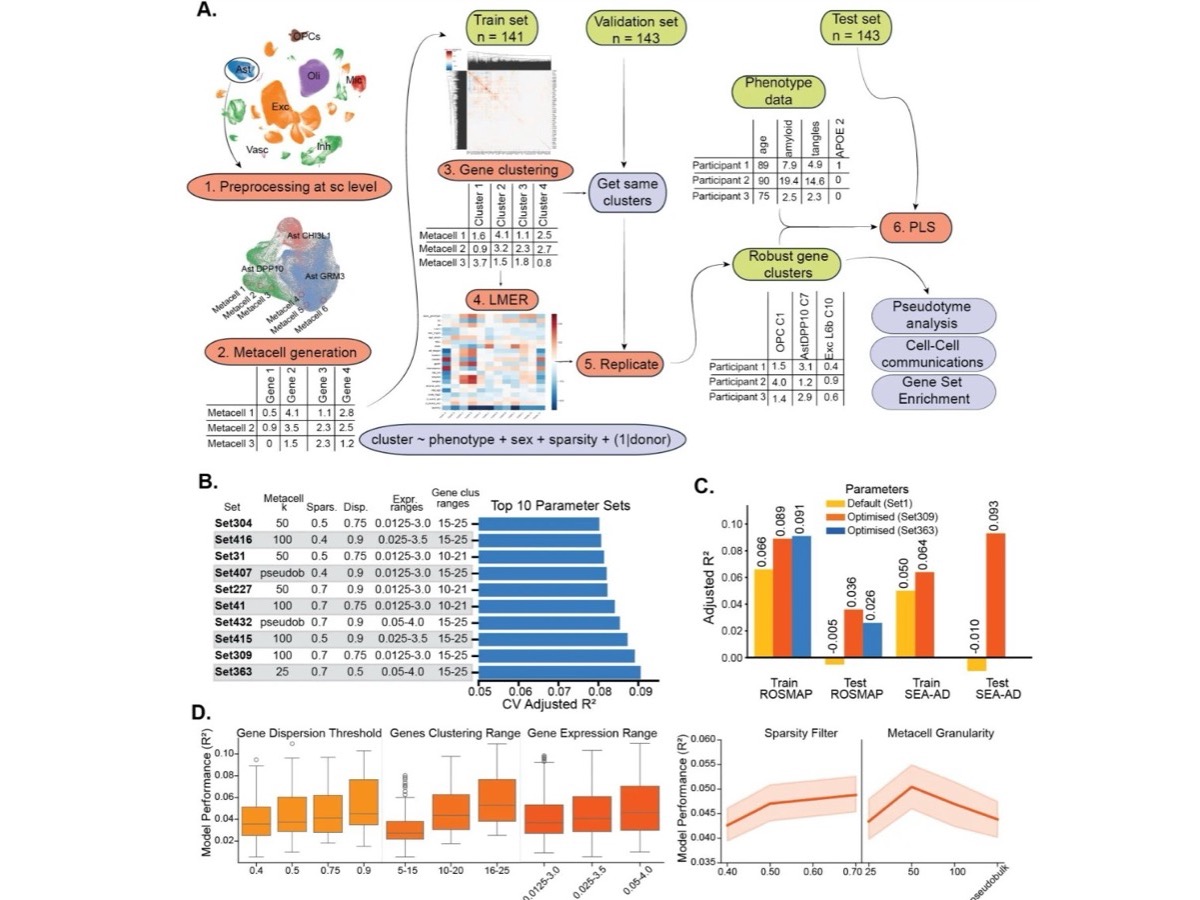

Overview of the analysis workflow, from single-cell data to robust gene clusters
Figure from this paper (CC BY-NC 4.0).
Gabriele Vilkaite et al.
bioRxiv
Oct 23, 2026
Gabriele Vilkaite

A coordinated and reproducible multicellular response to AD pathology

Single-cell studies of the Alzheimer's brain often report differing results and rarely consider how cell types respond together. Across 2.3 million nuclei from 427 ROSMAP donors, we identified multicellular signatures of AD pathology and of sex, including profound changes in RORB-GABRG excitatory neurons and disrupted oligodendrocyte precursor signalling. These signatures predicted neuropathology and sex in a fully independent dataset (SEA-AD), giving a baseline against which perturbation and treatment experiments can be compared.

Read the paper
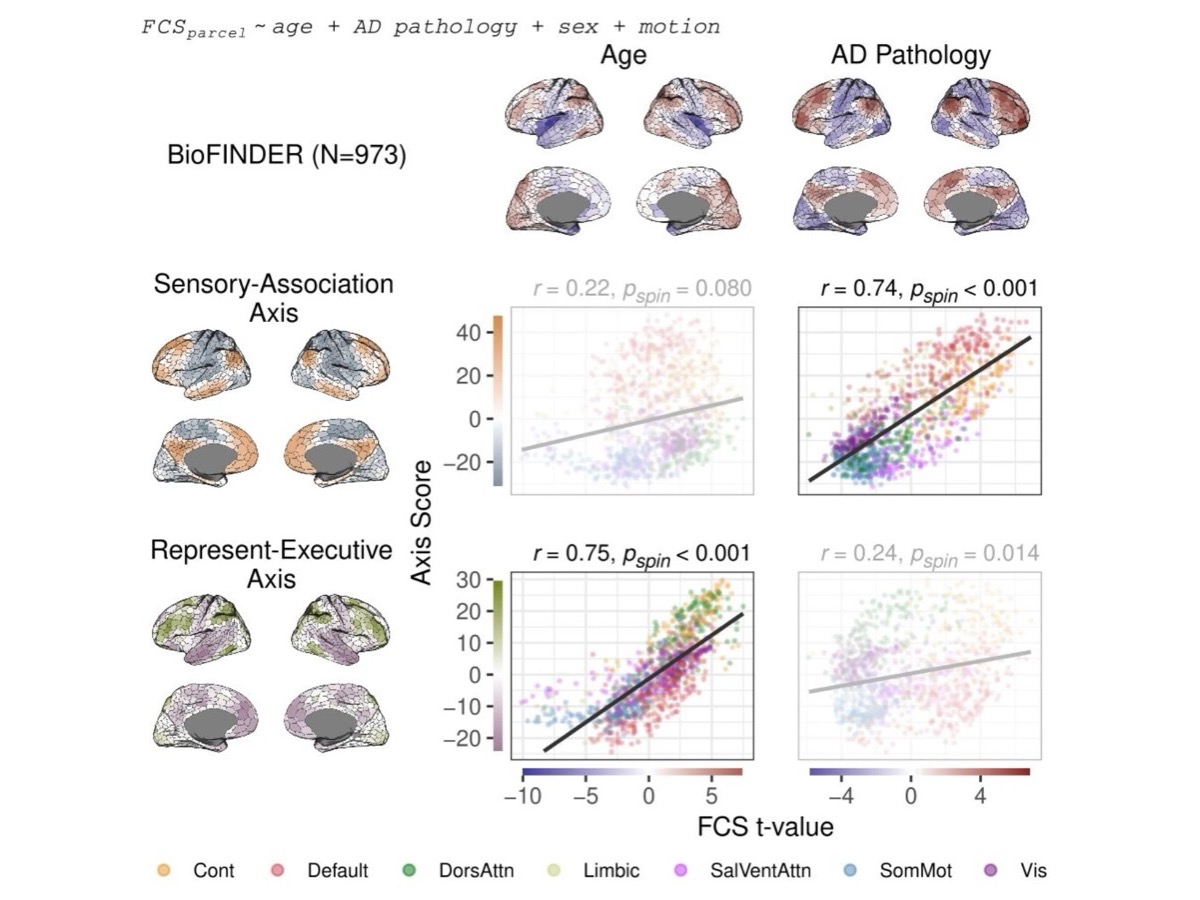
Brain maps and scatter plots relating age and AD pathology to the sensory-association and representation-executive axes
Figure from this paper.
Jonathan Rittmo et al.
Nature Neuroscience
Oct 1, 2026
Jonathan Rittmo

Different functional connectivity gradients reflect aging and Alzheimer's disease

In two independent cohorts (BioFINDER-2, N = 973; ADNI, N = 129), functional connectivity changes linked to aging and to Alzheimer's disease aligned with separate axes of brain communication. Early AD pathology and later cognitive decline followed the sensory-association axis, while age-related change followed the representation-executive axis across the adult lifespan.

Read the paper
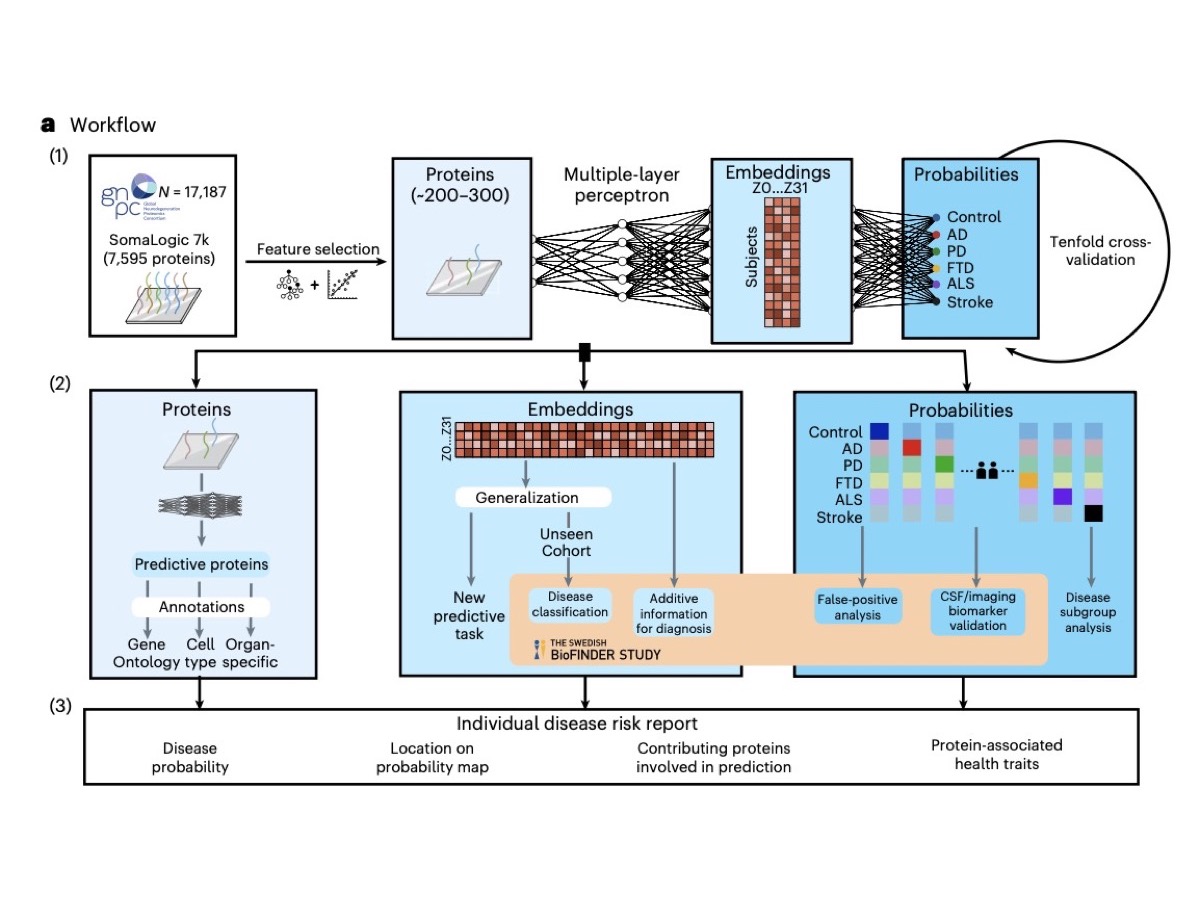
Workflow of the ProtAIDe-Dx model, from plasma proteins through a neural network to disease probabilities and an individual risk report
Adapted from this paper, panel a of a main figure (CC BY 4.0).
Lijun An et al.
Nature Medicine
Mar 31, 2026
Lijun An

A deep joint-learning proteomics model for diagnosis of six conditions associated with dementia

Mixed pathologies make dementia hard to diagnose, and scalable biomarkers are missing for most of them. We present ProtAIDe-Dx, a deep joint-learning model trained on 17,187 patients and controls that uses plasma proteomics to diagnose six conditions at once, with a balanced accuracy of 70-95%. It improved differential diagnosis in a memory clinic sample and shows which proteins drive each person's result, all from a single blood draw.

Read the paper
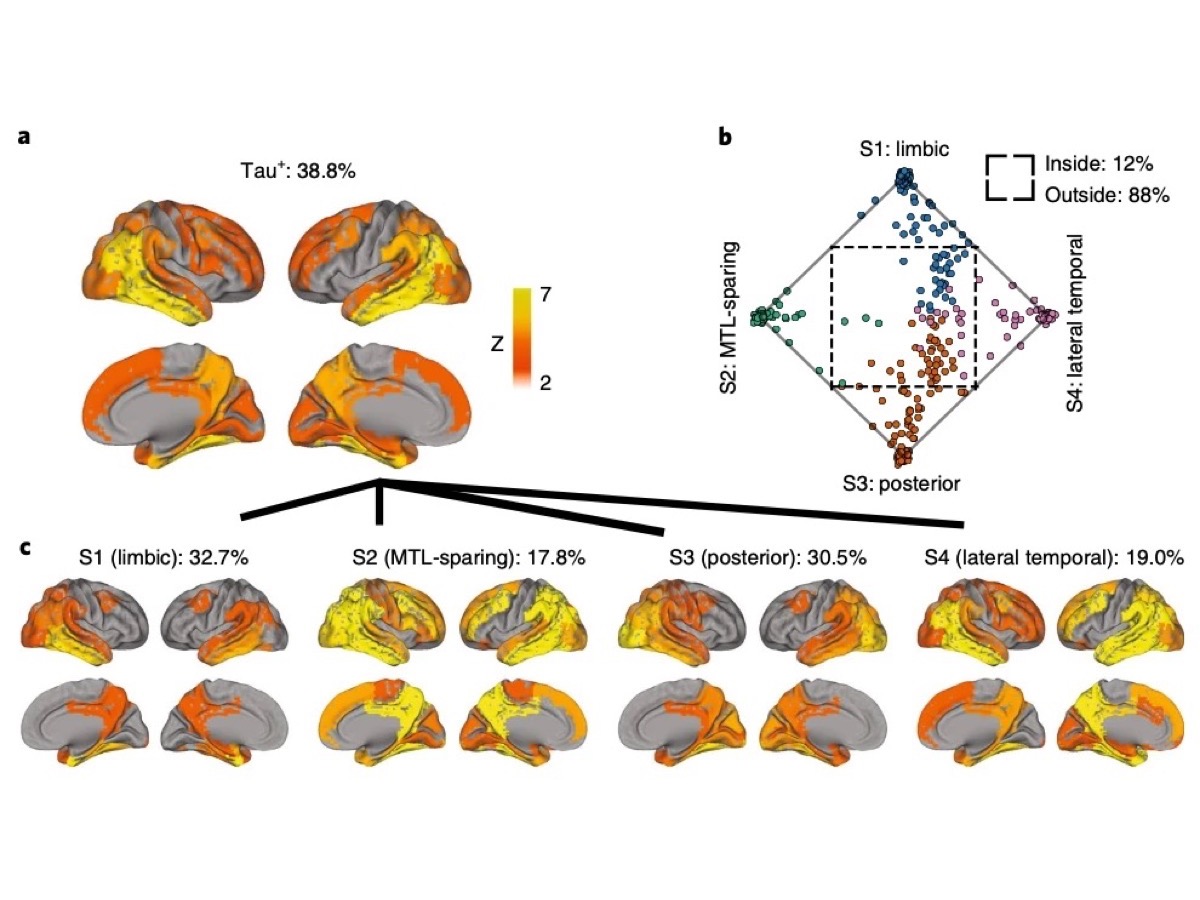
Brain maps of tau in the limbic, MTL-sparing, posterior and lateral temporal subtypes, with a plot of how individuals fall across the four subtypes
Adapted from this paper.
Jacob Vogel et al.
Nature Medicine
Apr 29, 2021
Jacob Vogel

Four distinct trajectories of tau deposition identified in Alzheimer's disease

Using tau-PET scans from 1,612 individuals, we identified four distinct trajectories of tau pathology: limbic, MTL-sparing, posterior and lateral temporal. These subtypes were stable over follow-up, replicated in a separate sample with a different radiotracer, and showed distinct demographic and cognitive profiles and outcomes, suggesting a re-examination of the idea of 'typical' Alzheimer's disease.

Read the paper
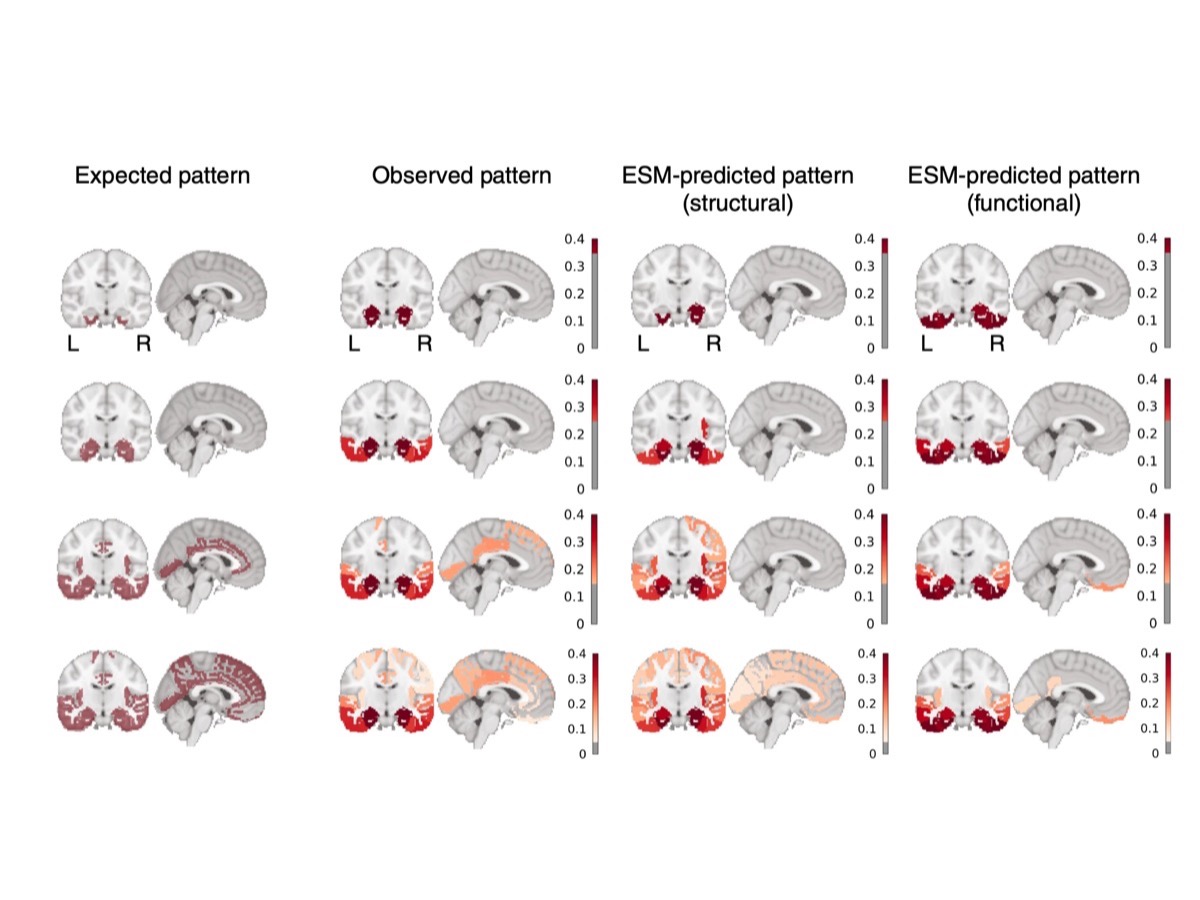
Brain maps comparing the expected and observed patterns of tau with the patterns predicted by the epidemic spreading model
Figure from this paper (CC BY 4.0).
Jacob Vogel et al.
Nature Communications
May 26, 2020
Jacob Vogel

Spread of pathological tau proteins through communicating neurons in human Alzheimer's disease

Animal models suggest that tau spreads from cell to cell through neuronal connections. We tested this in 312 people along the Alzheimer's continuum using an epidemic spreading model, which explained up to 70% of the variance in the spatial pattern of tau. Our results provide evidence in humans that tau spreads through neuronal communication pathways, and that beta-amyloid accelerates this process.

Read the paper